Best Time to Visit Sri Lanka
There isn’t just one best time to visit Sri Lanka
- Words
- Roamify Editorial
- Reviewed
- Roamify Sri Lanka team
- Updated
- August 2026 · 7 min read
Ask someone for the best time to visit Sri Lanka and you’ll often hear December to March.
That isn’t wrong, but it isn’t the whole story.
Sri Lanka is a small island with surprisingly different weather patterns. It can be raining on the south coast while the east is having bright beach days. The hills can be cool and misty while the Cultural Triangle is hot and dry.
So the better question is not simply:
“When should I visit Sri Lanka?”
It is:
“Where in Sri Lanka should I go when I’m travelling?”
That distinction can make a big difference to your trip.
December to March
The classic Sri Lanka season

If this is your first trip and you want a mixture of beaches, culture and the hill country, this is one of the easiest periods to work with.
The south and west coasts are generally at their most appealing during these months, making places such as Galle, Unawatuna, Mirissa, Weligama and Bentota natural additions to a route.
It also works well for classic inland journeys through the Cultural Triangle and Hill Country.
A trip might take you from Sigiriya and Kandy into the tea country around Nuwara Eliya or Ella before finishing beside the Indian Ocean.
The trade-off is that this is also a popular time to travel. Around Christmas, New Year and the European winter holiday period, good hotels can fill earlier and prices can be higher.
Good for
first-time visitors, south-coast beaches, couples, families and classic round trips.
April
Hot, changing and still very workable
April sits between Sri Lanka’s main seasonal patterns.
Expect heat, particularly away from the hills, and be prepared for occasional afternoon or evening rain rather than planning every day around perfect sunshine.
It can still be a very rewarding month for travelling inland, exploring the Cultural Triangle and spending time in the Hill Country.
April is also an important month locally because of Sinhala and Tamil New Year. If your dates fall around the celebrations, expect a different rhythm: busy transport, family travel and some businesses operating differently.
Rather than avoiding April, build a little more flexibility into the itinerary.
May to September
Look east

This is where generic advice about Sri Lanka can become misleading.
While the southwest of the island is experiencing its wetter season, the east coast is coming into its own.
That makes this a great period to build a completely different Sri Lanka journey.
Think Trincomalee, Nilaveli, Pasikuda and the east coast, combined with the Cultural Triangle and, depending on your route, northern Sri Lanka.
July and August in particular can work very well for travellers who want beaches but are visiting during the European summer holidays.
You do not need to abandon Sri Lanka because it is “monsoon season.” You may simply need to travel on the other side of the island.
Good for
east-coast beaches, summer holidays, Cultural Triangle trips and travellers wanting an alternative to the standard south-coast route.
October and November
The months where flexibility matters most
October and November can be harder to summarise neatly.
Sri Lanka is moving between weather systems, and conditions can be less predictable across several parts of the country. You may get beautiful clear periods followed by heavy tropical rain.
That does not make these bad months to visit.
It does mean we would avoid building an itinerary that depends on perfect weather every single day.
Spend longer in fewer places. Leave some breathing room between activities. And if a beach stay is important, keep expectations flexible.
By later November, conditions on the south and west generally begin moving towards their more popular season again.
What about the Hill Country?

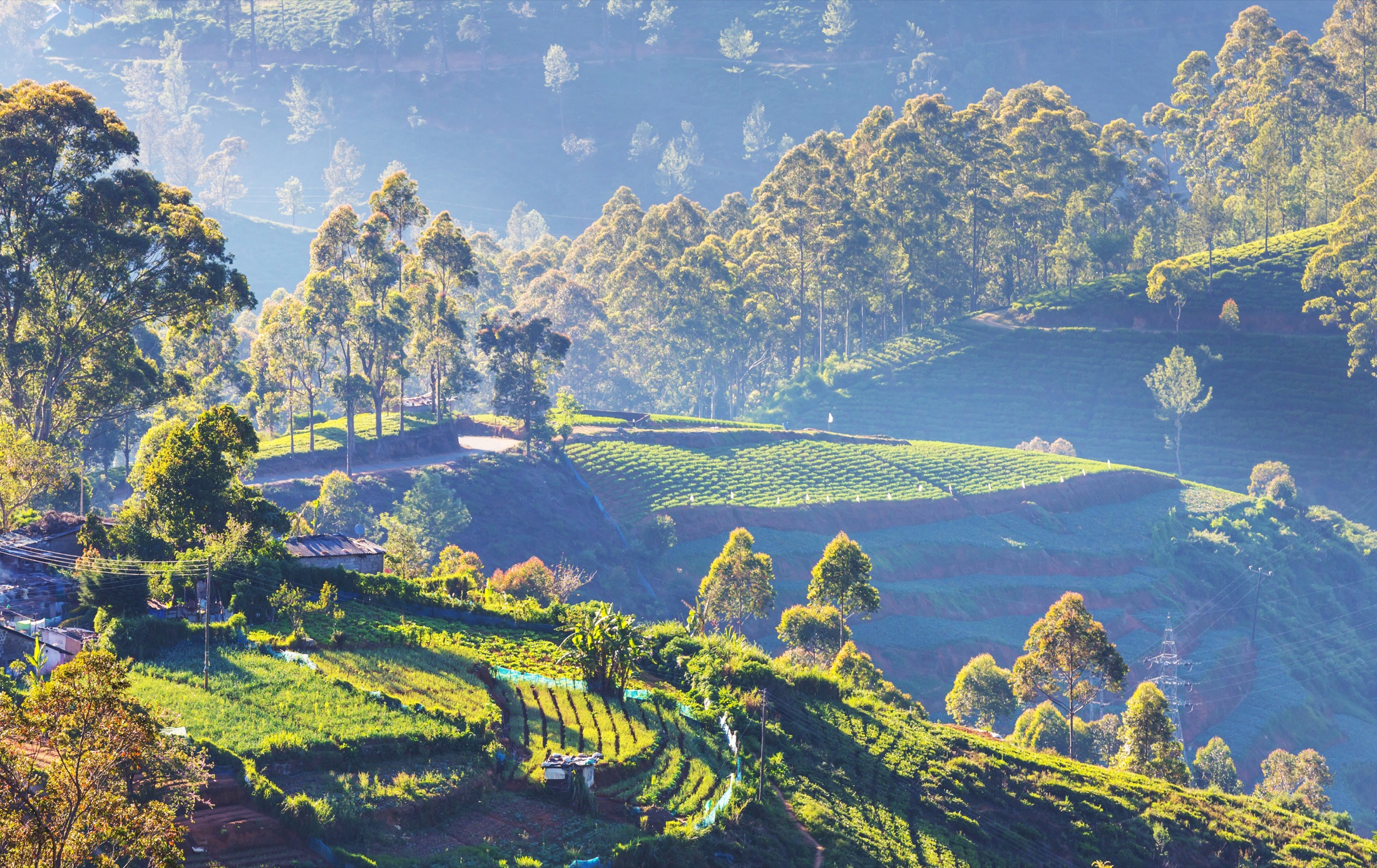
Ella, Haputale, Nuwara Eliya and the surrounding tea country are higher, cooler and often more changeable than the coast.
Cloud, mist and sudden rain are part of the landscape.
And sometimes that is exactly what makes it beautiful.
If your main reason for visiting is hiking or seeing a particular mountain view, seasonality matters more. If you are coming for tea estates, train journeys, waterfalls, small towns and the atmosphere of the highlands, you have considerably more flexibility.
Pack a light rain jacket either way.
And the wildlife?
Don’t choose safari dates based only on a generic “best time to visit Sri Lanka” chart.
Sri Lanka has several wildlife regions, and conditions differ between them.
Yala, Wilpattu, Udawalawe and Minneriya are not interchangeable experiences. Water levels, vegetation, park conditions and animal movements can change through the year.
If wildlife is one of the main reasons for your trip, it makes more sense to choose the right park for your travel dates than to force a particular park into the itinerary because it appears on every standard Sri Lanka route.
So, when should you come?
If you have complete freedom over your dates and want the traditional first-time Sri Lanka route, January to March is an easy place to start.
If you can only travel during the European summer, July and August can still be excellent — build the journey around the east, Cultural Triangle and other suitable regions rather than copying a winter itinerary.
Travelling in April, May, September, October or November?
Don’t automatically rule them out either.
Sri Lanka is rarely as simple as good season vs bad season.
The better approach is to start with your dates, then build the route around the parts of the island that make the most sense at that time.
Seasonal guidance is based on typical climate patterns. Sri Lankan weather can vary from year to year.